Source Silver Anodized Curtain Rail Track for Home Hotel Office
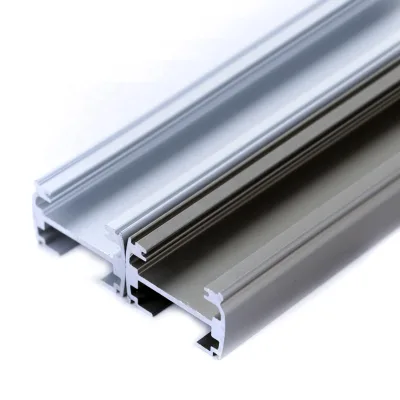
Compare 30 listings for silver anodized curtain rail track from verified suppliers. Buyers can evaluate specifications like mounting type, surface treatment, and customization options for residential and commercial projects; compare the available evidence and request quotations based on your requirements.
Key considerations
Products List









Comprehensive Sourcing Guide
Silver Anodized Curtain Rail Track Sourcing Guide
Sourcing silver anodized curtain rail tracks requires a nuanced understanding of aluminum alloy properties and surface treatment capabilities. Buyers must recognize that the silver finish is not merely aesthetic but indicates a specific electrochemical process that enhances durability and corrosion resistance. The observed market data highlights a wide price range, reflecting variations in alloy grade, wall thickness, and customization depth. Procurement teams should prioritize suppliers who explicitly list anodizing alongside other treatments like powder coating or electrophoresis, as this versatility often signals a mature manufacturing facility capable of meeting diverse project specifications.
The core keyword suggests a focus on visual harmony and modern interior design, often associated with eclectic or minimalist styles. However, the technical reality involves verifying the specific aluminum series, such as the 6000 series, which offers a balance of strength and workability. Buyers should note that "silver" can manifest as mill finish, anodized silver, or bright silver, each with distinct maintenance requirements. Understanding these subtle distinctions prevents misalignment between design intent and delivered product performance, ensuring the final installation meets both aesthetic and functional expectations for residential or commercial spaces.
Product Scope and Observed Listing Signals
The product landscape for curtain tracks includes various types such as surface tracks, side-mounted options, and flatted tracks, all potentially available in silver anodized finishes. Listings frequently indicate customization availability, allowing for specific sizes drawn from customer requirements rather than standard off-the-shelf dimensions. This flexibility is crucial for large-scale projects like hotels, hospitals, or offices where window dimensions vary significantly. Buyers should observe that models like GL4007 or Gl4001 represent specific design iterations, and verifying the exact model number against the desired track profile is essential to ensure compatibility with existing hardware or new installations.
Observed material specifications consistently point to aluminum alloy construction, with thicknesses around 1.6mm being a common benchmark for structural integrity. The weight per meter, often cited around 0.51kg, provides a tangible metric for logistics planning and structural load assessment. Additionally, the availability of deep processing services such as cutting, punching, and bending allows for tailored solutions that fit complex architectural features. Procurement specialists should verify if the supplier offers these processing capabilities in-house, as this reduces lead times and ensures precise fitment for bespoke curtain systems.
Technical Specifications to Verify
Verifying the alloy grade is a critical step, with the 6000 series aluminum being a prevalent choice for its excellent extrudability and finish quality. Buyers must confirm the temper designation, such as T3 or similar, which dictates the material's hardness and formability. The surface treatment process, specifically anodizing, creates a protective oxide layer that resists wear and fading, but the thickness of this layer can vary. It is imperative to request technical data sheets that specify the anodizing thickness and color consistency, ensuring that the silver finish remains uniform across large batches and over time, especially in high-traffic environments.
Dimensional accuracy and mounting compatibility are equally vital technical considerations. The track must align with the specified mounting type, whether side-mounting or other configurations, to ensure secure installation. Buyers should also check the availability of matching accessories and components, such as the Gl4001 Sliding Curtain Track Component Set, to guarantee a cohesive system. Furthermore, the ability to produce bendable tracks for curved windows adds versatility, but requires confirmation of the minimum bend radius and structural integrity after deformation. These technical details directly impact the ease of installation and the long-term reliability of the curtain system.
Compliance and Safety Documentation
While specific certification statuses may vary by supplier, the presence of standards like SGS or ISO indicates a commitment to quality management systems. Buyers should request evidence of these certifications to ensure that the manufacturing processes adhere to recognized international benchmarks. The mention of CE certification in some contexts suggests compliance with European safety and environmental directives, which is crucial for exports to regulated markets. Verifying these documents helps mitigate risk and ensures that the materials used, including the aluminum alloy and any coating chemicals, meet safety and environmental standards.
Quality control protocols are another key area for documentation review. Suppliers claiming 100% QC testing provide an additional layer of assurance, but buyers should inquire about the specific methods used, such as visual inspection or dimensional checks. The standard of production, often linked to the supplier's reputation as a top-quality provider, should be backed by tangible quality reports. Understanding the testing regime helps buyers assess the likelihood of defects and the supplier's ability to maintain consistency across large orders, which is vital for maintaining brand integrity in finished interior spaces.
Cost Drivers and Commercial Terms
The price range for silver anodized curtain tracks is influenced by several factors, including the complexity of the profile, the thickness of the aluminum, and the extent of customization. Surface treatments like anodizing add cost compared to mill finishes, but offer superior durability. Buyers should analyze the cost structure in relation to the observed MOQ ranges, which can vary significantly from small batches to large industrial orders. Understanding the price-volume relationship helps in negotiating better terms and planning inventory levels to balance cost efficiency with project timelines.
Packaging and logistics also play a role in the total cost of ownership. Options such as carton, craft paper, or shrink-wrapped packaging protect the tracks during transit, but the choice of packaging can affect shipping volume and cost. Suppliers offering wooden pallets or specialized shrinking film may provide better protection for fragile or high-value items, potentially reducing the risk of damage. Buyers should clarify who bears the cost of packaging and shipping, and whether these costs are included in the quoted price, to avoid unexpected expenses during the procurement process.
Supplier Qualification and Quality Control
Evaluating supplier qualifications involves assessing their manufacturing capabilities and geographic location, with Foshan, Guangdong, being a known hub for aluminum profile production. Buyers should verify the supplier's experience in producing curtain tracks and their ability to handle large orders without compromising quality. The availability of 24-hour service support is a valuable indicator of their commitment to customer satisfaction and problem resolution. Suppliers with a strong track record, such as those recognized as top-quality suppliers, often provide more reliable service and consistent product quality.
Quality control processes should be transparent and well-documented. Buyers should request samples to evaluate the finish quality, dimensional accuracy, and ease of installation. Inquiring about the supplier's internal testing procedures and their response to non-conformities provides insight into their quality management culture. Additionally, checking the supplier's ability to provide customization services, such as specific colors or sizes, ensures they can meet unique project requirements. A qualified supplier will be proactive in communicating potential issues and offering solutions, ensuring a smooth procurement experience.
Long-Term Procurement Checks
Establishing long-term relationships with suppliers requires regular performance reviews and continuous monitoring of product quality. Buyers should track metrics such as delivery times, defect rates, and responsiveness to issues to assess supplier reliability over time. Regular audits or site visits, if feasible, can provide deeper insights into the supplier's manufacturing processes and quality control measures. Maintaining open communication channels ensures that any changes in product specifications or market conditions are addressed promptly, minimizing disruptions to supply chains.
Sustainability and environmental considerations are increasingly important in long-term procurement strategies. Buyers should inquire about the supplier's environmental practices, including waste management and energy usage in the anodizing process. Ensuring that the materials and processes used are environmentally responsible aligns with broader corporate sustainability goals. Additionally, staying informed about industry trends and technological advancements in curtain track systems allows buyers to make informed decisions about future purchases, ensuring that their procurement strategy remains competitive and aligned with evolving market demands.
FAQs
What customization options are available for silver anodized curtain rail tracks?
Customization is available for silver anodized curtain rail tracks to meet specific project needs. You can request custom sizes, colors like matte or bright silver, and surface treatments such as anodizing or powder coating. The manufacturer supports deep processing including cutting and bending to match your design requirements.
Which materials are used to manufacture silver anodized curtain rail tracks?
Silver anodized curtain rail tracks are primarily manufactured using aluminum alloy. Some variants may also utilize metal materials to ensure durability. The specific alloy grade often falls within the 6000 series, providing a balance of strength and formability suitable for home and commercial decoration applications.
How is the surface treatment applied to silver anodized curtain rail tracks?
The surface treatment for silver anodized curtain rail tracks includes anodizing, powder coating, and electrophoresis. Additional finishing options like painting or chemical polishing are also available. These processes ensure a durable finish in colors such as mill finish, anodized silver, or powder-coated white.
Can I order silver anodized curtain rail tracks with specific dimensions?
Yes, you can order silver anodized curtain rail tracks with specific dimensions as customer requirements. Sizes are often customizable based on provided drawings. The product thickness can be specified, such as 1.6mm, to ensure the track meets the structural needs of your window curtain installation.
What certifications do silver anodized curtain rail track suppliers hold?
Suppliers of silver anodized curtain rail tracks hold certifications such as SGS, CE, and ISO. These standards ensure quality and safety compliance for the products. The manufacturing process includes 100% QC testing to maintain high standards before the items are packed and shipped to international buyers.
Where are silver anodized curtain rail tracks manufactured?
Silver anodized curtain rail tracks are manufactured in locations like Foshan, Guangdong, and Shanghai, China. These regions are known for their aluminum profile production capabilities. The origin of the product is clearly stated to ensure transparency regarding the supply chain and manufacturing standards.
What packaging methods are used for silver anodized curtain rail tracks?
Packaging for silver anodized curtain rail tracks includes cartons, craft paper, and shrink-wrapped options. Some shipments may use plastic and kraft paper or wooden pallets for larger orders. This ensures the tracks remain protected during transit while maintaining their aesthetic finish upon arrival.